Table of Contents
ToggleIntroduction: How Smell Shapes Human Experience
Scents are one of the most immediate and emotionally powerful parts of human perception. Unlike sight or sound, smell bypasses many mental filters and connects directly to areas of the brain linked to emotion and memory. This is why certain fragrances can feel comforting, energizing, or nostalgic within seconds. Aromatherapy builds on this natural sensitivity by using plant-based aromas to influence mood and create calming environments. Beyond structured practices, scent appears everywhere in daily life—from nature and food to personal care products—quietly shaping how people feel in different spaces.
The Science of Smell: Why Fragrance Affects Mood
The sense of smell, or olfaction, is closely tied to the brain’s limbic system, which regulates emotion and memory. When odor molecules enter the nose, they trigger signals that the brain interprets as specific scents, often linked to stored experiences. This is why fragrance can instantly evoke strong emotional responses. For example, the smell of lavender may feel relaxing because it is commonly associated with rest, while citrus scents often feel energizing due to their association with freshness and cleanliness. Although scientific research continues to explore the exact effects of aromatherapy, there is clear agreement that scent has a meaningful psychological impact on mood and perception.
Aromatherapy Practices: Working with Essential Oils
Aromatherapy typically involves the use of essential oils extracted from plants, flowers, herbs, and trees. These oils are highly concentrated and are used in small amounts to create specific sensory effects. Lavender, peppermint, eucalyptus, tea tree, and citrus oils are among the most widely used. Each has its own aromatic profile and is often chosen based on the desired atmosphere—whether calming, refreshing, or invigorating. People use aromatherapy in various ways, including personal rituals before sleep, meditation sessions, or simply to improve the atmosphere of a room. While it is not a medical treatment, it is widely appreciated as a supportive wellness practice that enhances everyday environments.
Diffusion and Environmental Scenting: Transforming Spaces
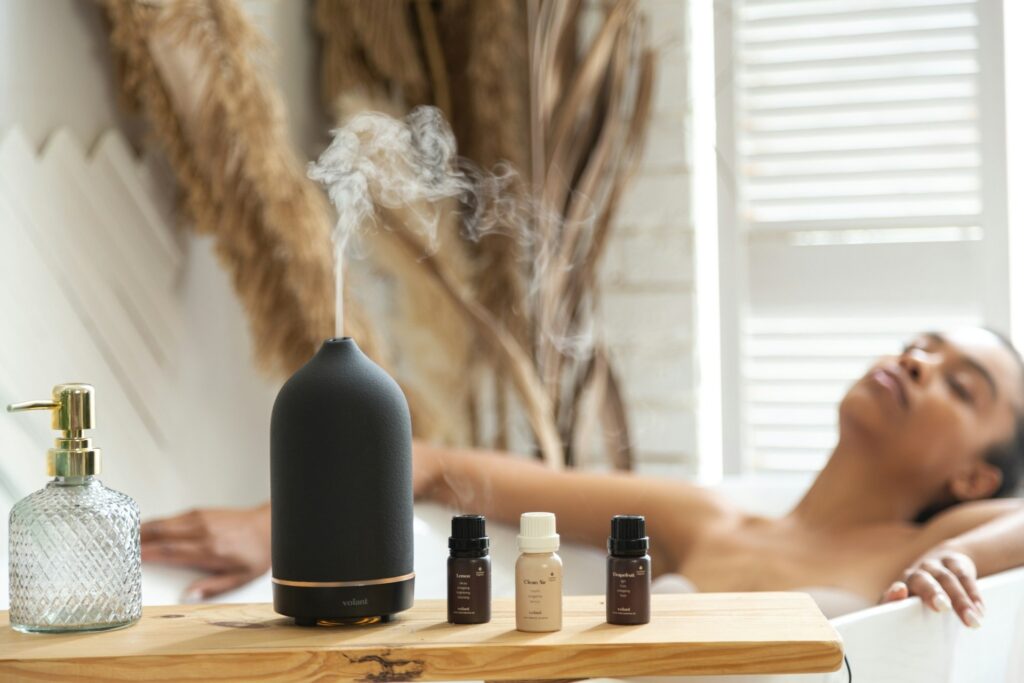
One of the most popular methods of using aromatherapy is diffusion, where essential oils are dispersed into the air. Electric diffusers, ultrasonic devices, and reed diffusers are commonly used to spread fragrance throughout a space. This allows scent to become part of the environment rather than remaining localized. A bedroom might be infused with lavender for relaxation, while a workspace might use peppermint or rosemary for mental clarity. Even simple methods, such as placing essential oils in warm water, can gently alter the atmosphere of a room. The goal is usually subtle enhancement rather than overpowering fragrance, creating a background scent that supports mood and comfort.
Body-Based Fragrance and Personal Rituals
Aromatherapy can also be experienced through direct contact with the body, usually by applying diluted essential oils to the skin. This is done by mixing oils with carrier bases such as almond or coconut oil to reduce intensity and prevent irritation. Massage therapy often incorporates this method, combining touch and scent for a relaxing effect. Many people also add essential oils to skincare routines or bathwater as part of personal rituals. These practices are often associated with self-care, helping individuals create small, intentional moments of calm in their daily lives. Proper dilution and responsible use are important, as essential oils are highly concentrated and must be handled carefully.
Everyday Natural Scents: Fragrance Beyond Products
Not all scent experiences come from specialized products. Nature itself offers a wide range of subtle and comforting aromas. Fresh herbs on a kitchen windowsill, blooming flowers in a garden, or the earthy smell after rain can all influence mood in meaningful ways. Even everyday household items like freshly laundered clothes or brewed tea contribute to the sensory environment of a home. These natural scents tend to be gentle and grounding, often creating a sense of familiarity and comfort. They highlight how fragrance is already deeply embedded in daily life, even without intentional aromatherapy practices.
Cultural and Modern Scent Experiences
Fragrance also plays a major role in modern consumer culture through perfumes, candles, grooming products, and ambient scents used in public spaces. People often choose perfumes to reflect personality or mood, ranging from light floral notes to deep woody tones. Scented candles and incense are widely used to create atmosphere in homes, combining fragrance with visual and sensory relaxation. In broader contemporary settings, scent can even appear in unexpected forms. For instance, some social environments may include flavored vapor products, and people sometimes notice how items like vape juice contribute a noticeable sweet or fruity aroma in shared spaces. This is generally observed as part of the overall scent landscape rather than a wellness practice, showing how diverse and widespread fragrance experiences have become.
Memory, Emotion, and the Lasting Role of Scent
Scent is strongly linked to memory, often more directly than any other sense. A familiar fragrance can instantly bring back detailed recollections of places, people, or moments from the past. This is due to the brain’s close connection between olfactory signals and emotional processing centers. Aromatherapy and everyday scent use both take advantage of this connection by shaping environments that feel comforting, energizing, or soothing. Whether through essential oils, natural aromas, or everyday household smells, fragrance plays a quiet but powerful role in emotional wellbeing. It helps shape how people interpret their surroundings and how they remember them, making scent one of the most influential yet often overlooked parts of daily life.