In a world that often feels like a chaotic treadmill, the idea of a ‘yoga mindset’ emerges as a sanctuary. Picture this: instead of racing against the clock, you’re stretching at your own pace, feeling every muscle release the tension of a hectic day. Sounds delightful, right? Finding that kind of inner peace and strength is more than just an occasional downward dog: it’s a way of navigating life’s challenges with grace, resilience, and a sprinkle of humor. This article dives into what a yoga mindset truly means and how it can revolutionize not just your practice, but your entire approach to life.
Understanding the Yoga Mindset
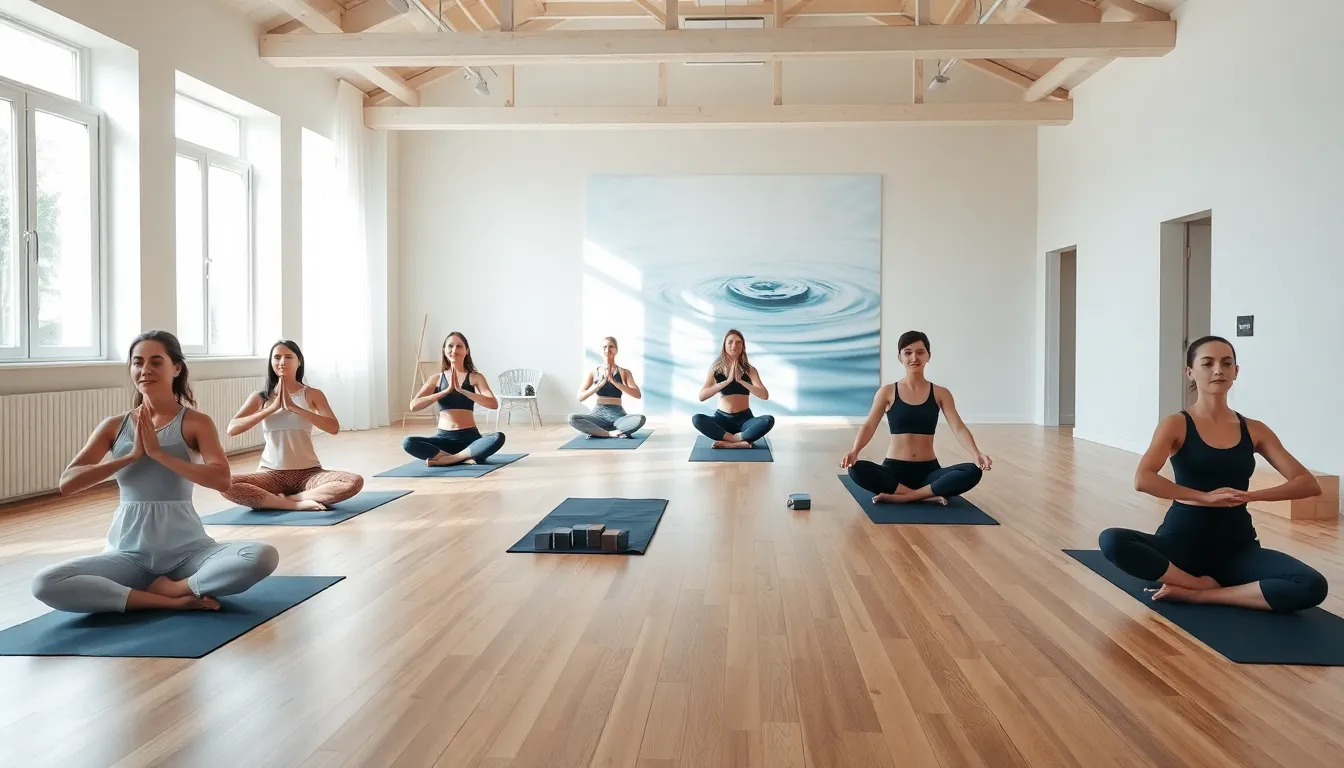
At its core, the yoga mindset is about cultivating a perspective that embraces balance, awareness, and openness. Those who practice yoga know that it’s not just about the poses or getting the perfect Instagram shot: it’s a holistic approach to life. The yoga mindset encourages individuals to be present in their bodies and minds. By tuning into their breathing and feelings, they learn to navigate stress more effectively.
When someone embodies the yoga mindset, they often experience a profound shift. They become more adept at responding rather than reacting to life’s challenges. Instead of sheer panic when faced with adversity, they might find themselves calmly considering their options. This state of awareness extends far beyond the yoga mat and influences every area of their lives.
Key Principles of a Yoga Mindset
The Role of Meditation in Yoga
Meditation is the backbone of a yoga mindset. It serves as a powerful tool to quiet the mind and investigate deeper into one’s self-awareness. Through consistent meditation, practitioners learn to observe their thoughts without judgment. This practice enhances emotional regulation, allowing individuals to navigate challenges with a clear perspective.
In many cases, meditation fosters empathy and compassion, not just towards oneself but also towards others. People discover that their reactions can change when they harness the power of mindful thought. Instead of exploding in anger when faced with conflict, they might choose to respond with understanding.
Finding Focus Through Breathwork
Another crucial element is breathwork. In yoga, breathing techniques, known as pranayama, help align the body with the mind. Focusing on breath allows individuals to cultivate present-moment awareness. Engaging in breathwork enables a deeper connection to feelings and sensations, which enhances the overall experience of yoga.
With each inhale and exhale, practitioners recognize that they hold the power to influence their emotional state. They learn that sometimes a few deep breaths can turn a stressful day around, rejuvenating their spirit and restoring clarity.
Incorporating Mindfulness into Daily Life
Integrating mindfulness into everyday life can be transformative. Those who cultivate this practice often find themselves responding to challenges with greater resilience and creativity. Mindfulness isn’t confined to yoga classes: it can be applied during mundane activities like washing dishes or commuting.
For instance, focusing on sensations while washing dishes can shift the experience from a chore to a meditative moment. Practitioners can engage their senses, feeling the warmth of the water, the smoothness of the dishes, and even their thoughts as they arise. Bringing this level of awareness into daily tasks allows individuals to recharge throughout the day.
Also, mindful interactions with others contribute significantly to a positive environment. A simple act of actively listening, really focusing on what someone is saying, can create deeper connections and empathy. So, cultivating mindfulness can enrich relationships and lead to a more fulfilling life.
Overcoming Challenges in Your Yoga Practice
Building a Community for Support
Every practitioner must confront challenges, whether it’s physical limitations or fluctuating motivation. A strong sense of community can offer invaluable support during these times. Engaging with fellow yogis provides not just camaraderie but also shared wisdom and encouragement. It’s remarkable how a simple chat with someone who shares similar struggles can reignite passion for the practice.
Supportive communities often inspire members to push past their comfort zones, whether it’s trying a new class or exploring different styles of yoga. They create a nurturing environment where individuals feel safe to express their frustrations and celebrate their milestones.
Adapting Your Mindset for Growth
Besides, adapting one’s mindset is essential for growth. Practitioners may sometimes face plateaus in their yoga journey. Recognizing that learning and progress are not linear can be liberating. Embracing challenges as opportunities for growth transforms how someone approaches their practice. Wanting to master a challenging pose? See it as a playful invitation rather than a challenging job.
Also, practicing self-compassion during setbacks is crucial. Those who integrate these concepts into their journey can navigate the ups and downs with grace. Learning to value the process over the outcome can lead to unexpected joys and insights along the way.