Pregnancy is a time of excitement and anticipation, but it can also come with a lot of questions—especially when it comes to food choices. One of the most common dilemmas revolves around fish. Can she indulge in that mouthwatering salmon sushi or is it time to say goodbye to her beloved tuna salad? With so many fish swimming in the sea, it’s crucial to know which ones are safe and which ones should be avoided like a bad date.
Eating fish during pregnancy can provide essential nutrients, but not all fish are created equal. Some are packed with omega-3s while others might carry harmful levels of mercury. So grab your fork and get ready to dive into the world of seafood. This guide will help her navigate the waters of fish consumption, ensuring both mom and baby stay happy and healthy.
What Fish Can You Eat While Pregnant
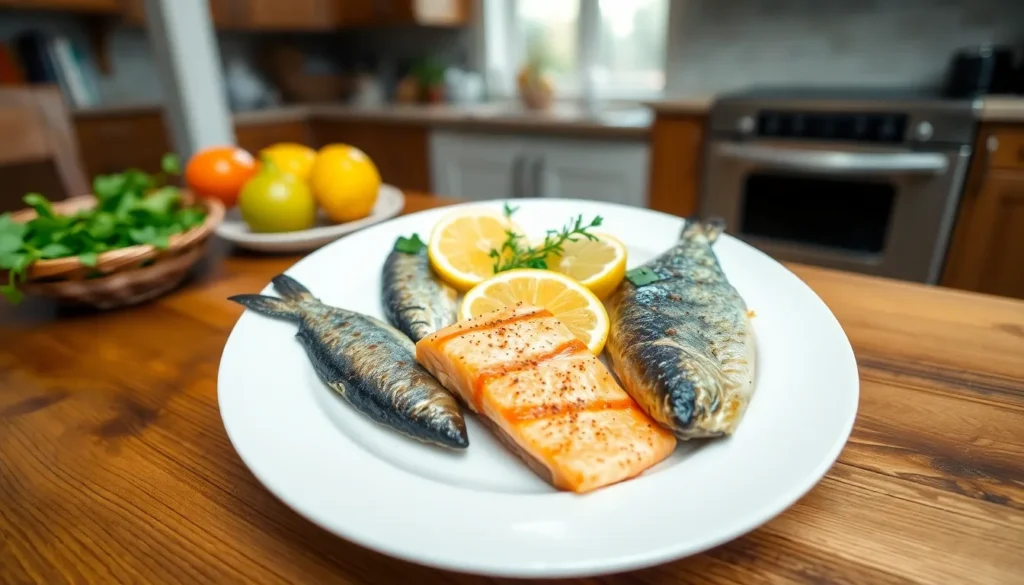
Pregnant individuals can safely enjoy a variety of fish that offer essential nutrients. Salmon stands out as an excellent choice due to its high omega-3 fatty acid content, which supports fetal brain development. Sardines also provide similar benefits along with low mercury levels, making them a viable option.
Tuna, however, requires careful consideration. Canned light tuna contains lower mercury levels, so pregnant women can consume it in moderation. Albacore or white tuna has higher mercury levels; limiting intake to one 6-ounce serving per week is advisable.
Trout ranks as another safe option. This freshwater fish is low in mercury and rich in protein. Cod, often favored for its mild flavor, is also safe and nutritious, offering a good source of vitamin B12.
While choosing seafood, one must avoid high-mercury fish. Examples include shark, swordfish, and king mackerel. These fish may pose risks due to their mercury levels, which can impact fetal development.
Pregnant individuals should prioritize variety and safety in their seafood choices. Incorporating multiple types of low-mercury fish can enhance overall nutrition while minimizing risks. Understanding which fish to consume ensures both health and enjoyment during pregnancy.
Safe Fish Choices
Choosing safe fish during pregnancy is crucial for both mother and baby. Certain types of fish offer health benefits while minimizing risks.
Fatty Fish
Fatty fish such as salmon, sardines, and mackerel provide essential omega-3 fatty acids. Omega-3 contributes to fetal brain development and has anti-inflammatory properties. Salmon, being low in mercury, serves as an excellent choice for pregnant individuals. Sardines also offer a nutritious option filled with calcium and vitamin D. For a well-rounded diet, including a variety of these fatty fish can enhance overall health.
Lean Fish
Lean fish includes varieties like cod, sole, and tilapia, which are low in fat and mercury. Cod provides high protein levels and vital nutrients, supporting a healthy pregnancy. Sole is another safe option that’s mild in flavor and easy to prepare. Pregnant individuals can also incorporate tilapia, which has a decent nutrient profile and is widely available. Consuming these lean fish options can diversify diets while managing mercury exposure.
Fish to Avoid
Pregnant individuals should avoid certain fish due to potential health risks. High mercury levels in some species can threaten fetal development and overall well-being.
High Mercury Fish
Shark, swordfish, and king mackerel contain particularly high levels of mercury. Consuming these fish can increase the risk of neurological damage in developing fetuses. Additionally, orange roughy and bigeye tuna also pose risks due to elevated mercury concentrations. Pregnant women must steer clear of these options to ensure fetal safety and health.
Fish with Environmental Concerns
Certain fish can be problematic due to sustainability issues and environmental impact. Farmed salmon has raised concerns regarding pesticide and antibiotic use, which can affect both health and ecosystem balance. Moreover, imported shrimp often comes with environmental degradation from their farming practices. Pregnant individuals should opt for sustainably sourced seafood options to protect both their health and marine ecosystems.
Nutritional Benefits of Fish During Pregnancy
Fish serves as a valuable source of nutrients during pregnancy. Omega-3 fatty acids found in fish are vital for fetal brain development. These healthy fats can improve cognitive function and reduce inflammation.
Salmon stands out as an excellent choice due to its high omega-3 content and relatively low mercury level. Sardines also provide significant omega-3s and calcium, vital for the baby’s skeletal growth. Additionally, trout offers protein and essential vitamins, supporting both mother and child.
Lean fish, like cod and tilapia, contribute to overall protein intake without adding excess fat. Protein plays a crucial role in the growth and repair of tissues, which is important during pregnancy.
Fortifying diets with seafood benefits the mother’s health, promoting heart health and reducing gestational diabetes risk. Nutrients like vitamin D and selenium, present in many fish, support immune function and bone health.
Pregnant individuals can benefit from diversifying their fish consumption. Ensuring a balance of both fatty and lean fish provides a range of essential nutrients. Opting for safe fish options minimizes health risks while maximizing nutritional intake, laying a foundation for a healthy pregnancy.
Choosing sustainably sourced seafood protects both health and the environment. Prioritizing fish that are low in mercury, such as canned light tuna in moderation, complements a well-rounded diet. This thoughtful approach enhances nutrition during this critical time.
Making informed choices about fish during pregnancy is crucial for both maternal and fetal health. By selecting safe options like salmon and sardines while avoiding high-mercury varieties, pregnant individuals can enjoy the nutritional benefits of seafood without compromising safety. Emphasizing variety in fish consumption not only enhances nutrient intake but also supports sustainable practices. Prioritizing health and environmental concerns ensures a balanced approach to seafood that contributes to a healthy pregnancy.