Virtual reality apps are transforming the way people interact with digital content, offering immersive experiences that were once the stuff of science fiction. From gaming to education and beyond, these applications are pushing the boundaries of creativity and engagement. Users can step into alternate realities, explore new worlds, and even enhance their learning experiences in ways that traditional media simply can’t match.
As technology continues to evolve, the potential for virtual reality apps expands exponentially. Developers are constantly innovating, crafting experiences that cater to diverse interests and needs. Whether it’s simulating real-life scenarios for training or providing a platform for social interaction, virtual reality is reshaping how individuals connect with information and each other. The future looks bright as more people discover the endless possibilities these apps offer.
Overview of Virtual Reality Apps
Virtual reality apps offer users immersive experiences that change how they interact with digital content. These applications span various sectors, including gaming, education, training, and social networking.
Key Features
- Immersion: Virtual reality apps create a sense of presence, transporting users into engaging digital environments. Users can interact with 3D objects and experience events as if they are physically present.
- Interactivity: Users engage with scenarios and environments, allowing for personalized experiences. Interactions can range from simple movements to complex decision-making processes.
- Realism: Advances in graphics and sound technology enhance the realism of virtual environments. High-quality visual and auditory elements make experiences more believable and impactful.
Applications Across Sectors
- Gaming: VR apps immerse players in interactive and dynamic worlds. Popular titles, such as “Beat Saber” and “Half-Life: Alyx,” demonstrate the potential of gaming in virtual environments.
- Education: Virtual reality transforms learning by providing simulations. Students can explore historical events or complex scientific concepts in an engaging and memorable manner.
- Training: Industries like healthcare and aviation utilize VR for training simulations. Medical professionals practice surgeries, and pilots refine skills in realistic flight scenarios.
- Social Interaction: Virtual reality apps enable social experiences, connecting individuals in immersive environments. Platforms like “VRChat” allow users to meet and interact within digital spaces.
Future Trends
- Increased Accessibility: Advances in hardware and software are making virtual reality more accessible to a broader audience. Lower-cost headsets and optimized applications enhance adoption rates.
- Enhanced Collaboration: Future VR developments focus on collaborative environments for remote teams. Users can work together in virtual spaces, improving productivity and engagement.
- Evolving Content: Developers continue to create innovative content in various fields. The growth of virtual reality apps encourages exploration and experimentation across different applications.
These characteristics solidify virtual reality apps as transformative tools in contemporary digital interaction.
Types of Virtual Reality Apps

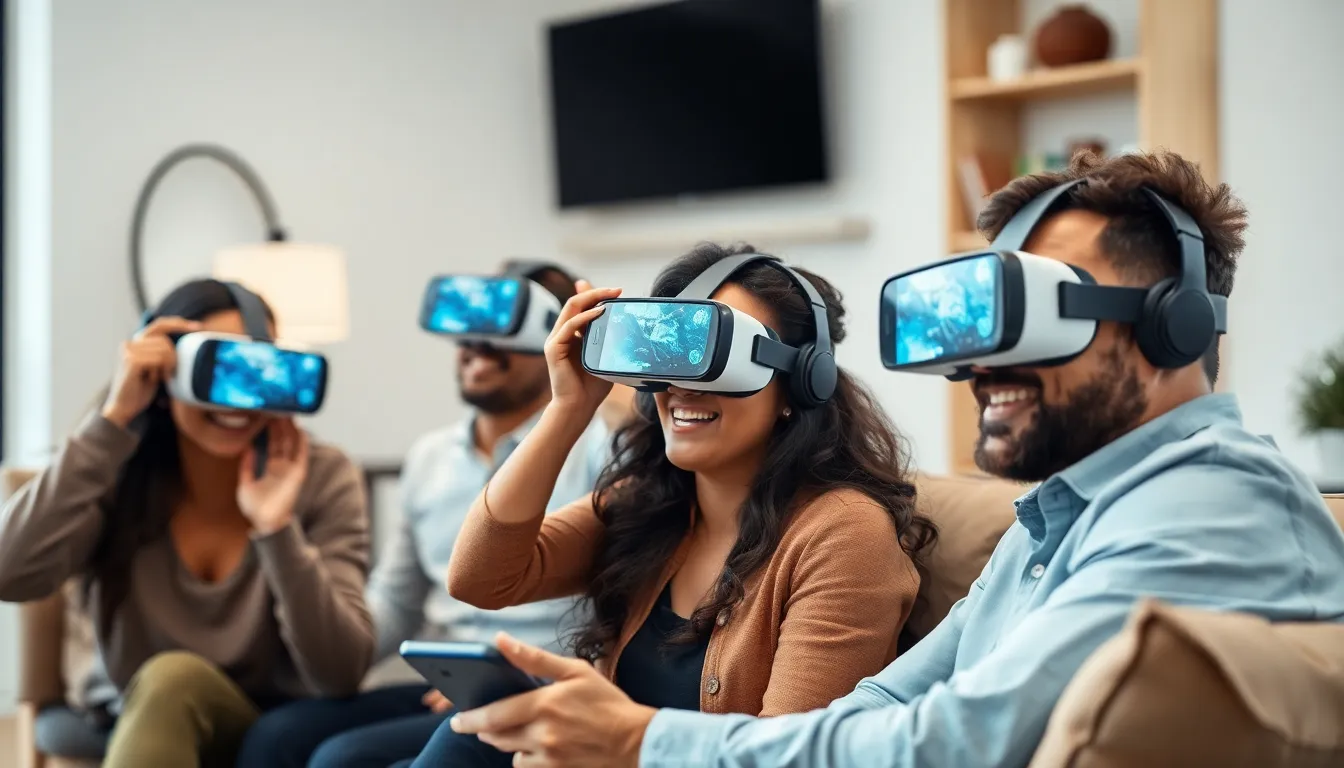
Various types of virtual reality (VR) apps cater to different audiences and purposes, leveraging immersive technology to enhance user experiences. Below are key categories of VR applications that demonstrate the versatility of this technology.
Gaming Applications
Gaming applications represent one of the most popular uses of VR technology. Titles like “Beat Saber,” “Half-Life: Alyx,” and “Rec Room” immerse players in interactive 3D environments that stimulate engagement and excitement. Gamers participate in activities that require physical movement, problem-solving, and teamwork. Notable features of VR gaming include:
- Immersive Environments: VR games create lifelike settings, enabling users to feel present in the game world.
- Interactive Gameplay: Players interact with their surroundings using hand controllers, enhancing the gaming experience.
- Social Connectivity: Many VR games support multiplayer modes, allowing users to collaborate or compete with others globally.
Educational Applications
Educational applications of VR transform traditional learning environments through engaging simulations and interactive experiences. These apps allow users to explore complex subjects in a hands-on manner. Examples include virtual field trips and historical reenactments. Key benefits include:
- Enhanced Learning: Users grasp challenging concepts through visual and experiential learning approaches.
- Safe Simulations: Applications simulate real-world scenarios, providing a risk-free environment for practice.
- Accessibility: VR technology broadens access to resources and experiences that might be otherwise unavailable.
Therapeutic Applications
- Exposure Therapy: Users confront fears or anxieties in a safe and controlled setting, promoting gradual desensitization.
- Pain Distraction: Immersive VR experiences can distract patients during medical procedures, significantly reducing perceived pain levels.
- Rehabilitation: VR offers engaging physical activity for patients recovering from injuries, making therapy sessions more enjoyable and effective.
Key Features of Successful Virtual Reality Apps
Successful virtual reality apps excel in user experience design, immersion, and interactivity. These elements are crucial for engaging users and providing memorable experiences.
User Experience Design
User experience design focuses on creating intuitive interfaces and seamless navigation within virtual environments. Designers prioritize accessibility to accommodate a diverse audience, ensuring users can easily understand controls and functionalities. Visual clarity enhances the overall experience, reducing user frustration and promoting engagement. Feedback mechanisms, such as haptic responses or auditory cues, confirm user actions, reinforcing their sense of participation in the virtual world. Cohesive thematic elements, consistent design patterns, and responsive layouts foster a deeper connection, encouraging users to explore further.
Immersion and Interactivity
Immersion and interactivity are foundational aspects that differentiate VR apps from traditional media. Immersion involves creating lifelike environments that captivate users, allowing them to lose themselves in the experience. Realistic graphics, spatial audio, and responsive environments heighten this effect. Interactivity enhances immersion by enabling users to manipulate objects and engage in activities, drawing them into the narrative. Social features, such as multiplayer modes or shared experiences, encourage collaboration and interaction among users, making the virtual setting feel more dynamic and alive. Together, these elements foster a sense of presence, transforming how individuals interact with digital content.
Popular Virtual Reality Apps to Try
Numerous virtual reality (VR) apps enhance user engagement through immersive experiences. Below are popular VR applications that stand out in various categories.
App Reviews
- Beat Saber
Beat Saber combines rhythm and movement, allowing players to slash blocks to the beat of the music. Its engaging gameplay, along with a wide variety of music genres, promotes physical activity and enjoyment.
- Half-Life: Alyx
Half-Life: Alyx sets a new standard in storytelling and gameplay for VR. It’s praised for its stunning graphics and intricate environments, immersing players in a compelling narrative.
- Job Simulator
Job Simulator offers a humorous take on everyday tasks by placing users in various job roles. Its creativity and engaging interactions ensure players experience a fun, lighthearted perspective on work.
- Rec Room
Rec Room serves as a social platform enabling users to connect with friends through games and activities. It features customizable avatars and an array of user-generated content that fosters creativity.
- Tilt Brush
Tilt Brush allows users to paint in a 3D space, promoting creativity and artistic expression. The freedom to create in a virtual environment highlights the innovative potential of VR applications.
User Ratings and Feedback
| App | Average Rating | User Feedback |
|---|---|---|
| Beat Saber | 4.9 | Users love the energetic gameplay and diverse music selection. |
| Half-Life: Alyx | 4.8 | Players appreciate the immersive storytelling and detailed environments. |
| Job Simulator | 4.7 | Feedback highlights the humor and fun experience, making it family-friendly. |
| Rec Room | 4.6 | Users enjoy the social aspects and variety of games available. |
| Tilt Brush | 4.5 | Artists highlight the innovative nature and freedom of expression. |
Users consistently report high satisfaction with these applications, emphasizing their unique features and enjoyable experiences. The feedback underscores the importance of creativity, social connection, and immersive gameplay in VR applications.
Future Trends in Virtual Reality Apps
Future trends in virtual reality (VR) apps demonstrate significant advancements and innovations across multiple sectors. These trends encompass enhanced accessibility, sophisticated technology, and tailored experiences.
- Increased Accessibility: As hardware costs decline, more users can access VR technology. Established companies and startups are developing affordable headsets, making VR more appealing to a broader audience.
- Advancements in Mobile VR: Mobile VR platforms are evolving, enabling users to experience immersive content without relying on powerful gaming PCs. The expansion of mobile compatibility amplifies user engagement, attracting casual users.
- Enhanced Collaboration Tools: Collaborative VR apps are gaining traction, promoting remote teamwork and virtual meetings. These apps facilitate more effective communication and interactivity among users, mimicking real-life office dynamics.
- Integration of Artificial Intelligence: The incorporation of AI in VR enhances user experiences through smarter content personalization. Tailored recommendations based on user behavior may lead to more engaging and relevant sessions.
- Expanded Market in Education and Training: Educational institutions are increasingly adopting VR for immersive learning environments. Subject-specific simulations allow learners to grasp complex ideas through hands-on experiences, significantly improving retention.
- Health and Wellness Growth: VR applications for mental health and rehabilitation show promising developments. As research substantiates their efficacy, demand for therapeutic VR solutions will likely continue rising.
- Interactivity and Storytelling Innovations: Developers are focusing on interactive narratives within VR experiences. The blend of gamification and storytelling captivates users, effectively drawing in diverse audiences.
- Virtual Commerce Opportunities: Brands are exploring virtual storefronts, allowing users to shop in lifelike environments. This emerging trend may revolutionize retail, offering immersive product experiences before purchase.
- Social Experiences Evolution: As social VR platforms progress, users increasingly share experiences with friends and family in virtual spaces. Continued growth in these platforms nurtures community engagement and social connectivity.
- Sustainability in VR Development: Developers are prioritizing sustainability measures in VR app creation. Environmentally friendly practices may become a focal point, appealing to conscious consumers and developers.
These trends indicate a dynamic future for VR apps, reflecting continued investment and innovation across various industries. As technology progresses, VR apps are set to transform user interactions in previously unimaginable ways.