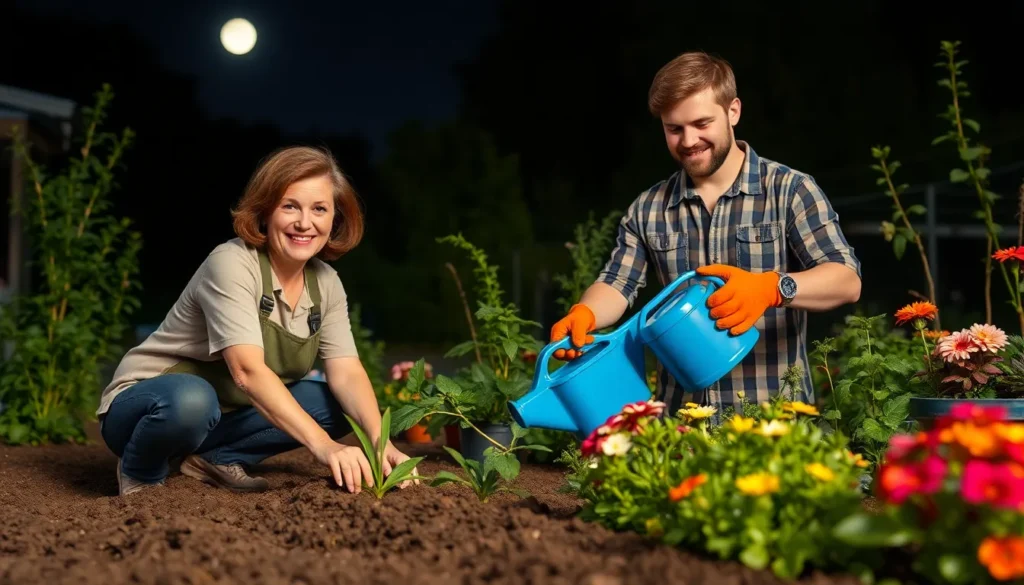
When the world is asleep, a dedicated group of night staff is busy cultivating more than just their work duties—they’re growing a garden. Yes, you heard that right! Under the moonlight, they’re transforming their nighttime shifts into a blooming oasis. Imagine the scene: tired eyes turning into bright smiles as they dig into the soil, nurturing plants that will soon sprout fresh produce and vibrant flowers.
Overview of Night Staff Growing a Garden
Night staff members transform their shifts into a vibrant garden, creating a unique and productive experience. Engaging in gardening during nighttime hours allows them to cultivate plants while tending to their duties. Many staff members find this activity rewarding, as it fosters collaboration and bonding among team members.
Gardening at night offers numerous benefits. Fresh produce enhances their meals, while beautiful flowers brighten up the space. By nurturing the soil and plants, staff members witness the direct impact of their efforts. Individual responsibilities vary, with some focused on planting seeds and others on watering or harvesting.
The garden serves as a therapeutic outlet for night staff. Tasks become enjoyable, alleviating stress from long shifts. Smiles replace fatigue as staff members work together in the moonlight, creating a sense of community. The atmosphere encourages creativity, enabling individuals to express themselves through their gardening choices.
Support from management plays a critical role in this initiative. Resources like soil, seeds, and gardening tools are provided, allowing staff to embrace their passion for plants. Educational workshops on gardening also benefit night staff, ensuring that they grow their knowledge alongside their garden.
Harvesting fresh fruits and vegetables provides an added perk. Staff can share their bounty with coworkers or even donate to local food banks. In this collaborative environment, night staff members not only care for their plants but also nurture their relationships with one another.
Benefits of Gardening for Night Staff
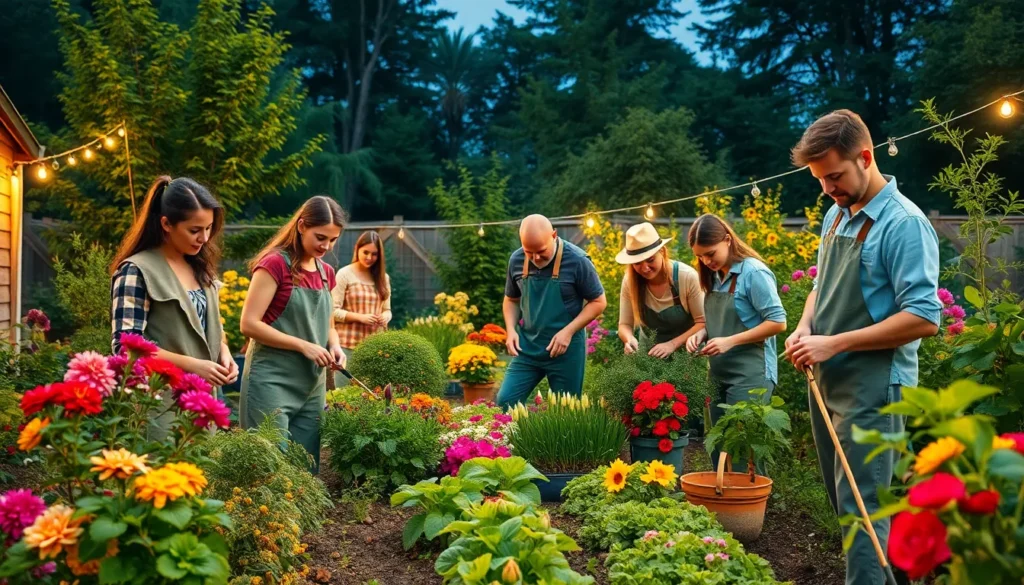
Gardening provides significant advantages for night staff, enhancing both their mental and physical well-being. Engaging in this serene activity cultivates a range of benefits.
Mental Health Improvements
Gardening during nighttime shifts promotes mental clarity and reduces stress. Nurturing plants encourages mindfulness and connection to natural surroundings, which can lead to improved mood. Night staff often experience a sense of accomplishment from watching their plants thrive. This fosters camaraderie among team members, creating supportive relationships. Access to fresh air and the calming environment of a garden allows for relaxation, making it easier to cope with the demands of their roles. Regular interaction with plants can also help mitigate feelings of anxiety or depression, thus enhancing overall mental health.
Physical Health Benefits
Participating in gardening offers various physical health benefits. Activities such as digging, planting, and weeding serve as a form of exercise, promoting cardiovascular health. Engaging in these physical tasks strengthens muscles and improves flexibility. Night staff often notice increased stamina as they participate in regular, low-impact exercise. Consuming the fresh produce they grow contributes to a balanced diet, boosting their immune systems. Ultimately, cultivating a garden encourages healthier lifestyle choices, fostering a holistic approach to well-being.
Tips for Successful Gardening at Night
Successful nighttime gardening requires careful planning and attention to detail. Night staff can cultivate a thriving garden by following a few strategic tips.
Choosing the Right Plants
Selecting the right plants plays a crucial role in night gardening success. Plants that thrive in low-light conditions, such as moonflowers, evening primroses, and certain herbs like mint and chamomile, flourish in this environment. These varieties not only bloom beautifully but also thrive with minimal sunlight. Night-blooming flowers attract nocturnal pollinators, enhancing biodiversity. Consider seasonal plants that produce during the cool nighttime temperatures, ensuring a vibrant garden year-round. Additionally, incorporating scented plants can create a pleasant atmosphere, making the gardening experience more enjoyable.
Tools and Resources
Having the right tools ensures efficient gardening practices. Essential tools include trowels, pruners, gloves, and watering cans. These basic items enable staff to perform essential tasks like planting, watering, and maintaining plant health. Brightly colored tools are easier to spot in low-light conditions, enhancing usability. Utilizing headlamps or flashlights with red filters helps preserve night vision while working. Resources like soil amendments, compost, and organic fertilizers promote robust plant growth. Community workshops or online gardening forums can provide valuable information, fostering skill development and creativity in gardening efforts.
Case Studies: Successful Night Staff Gardens
Night staff gardens thrive in various settings, showcasing the positive impact of nighttime gardening. One notable example comes from a hospital where staff cultivate a vibrant herbal garden. This garden not only enhances meals served in the cafeteria but also allows staff to learn about medicinal plants.
Another successful garden is found at a large hotel. Here, the night staff grows a variety of edible flowers and vegetables. They harvest produce to use in dishes, delighting guests while promoting sustainability. Employees bond over shared gardening tasks and enjoy the pride of contributing to the hotel’s culinary offerings.
A nonprofit organization provides an inspiring case with a community garden solely managed by night staff. The initiative enables staff to donate fresh produce to local shelters. This not only nurtures community relationships but also creates a sense of purpose among team members.
Additionally, a corporate office’s night staff has created a rooftop garden. The garden acts as a serene escape from the daily routine, allowing staff to unwind during breaks. Flowering plants attract pollinators, enriching the work environment and supporting local biodiversity.
Lastly, a college campus has seen significant success with its night staff garden. Students and staff collaborate on plant selection, choosing varieties suited for low-light conditions. The garden fosters teamwork and enhances the sense of community, contributing to overall campus well-being.
These successful night staff gardens illustrate that gardening fosters unity, enhances quality of life, and enriches the surrounding environment. Each case highlights the unique contributions of night staff to their workplaces and communities through this fulfilling endeavor.
Challenges Faced by Night Staff Gardeners
Night staff gardeners encounter several challenges that can impact their gardening efforts. Limited visibility at night complicates tasks such as planting, watering, and harvesting. Many staff members rely on portable lights to illuminate their work areas, which can be inadequate for detailed tasks.
Weather conditions present another challenge. Nighttime temperatures can drop, affecting sensitive plant species. Adaptation strategies, like using row covers or choosing hardy varieties, assist staff in managing these fluctuations.
Pest control becomes a consideration as well. Some pests are more active at night, requiring diligent monitoring and integrated pest management techniques. Staff often share observations to identify pests early before they cause significant damage.
Balancing shifts with gardening activities can also prove difficult. Night shifts leave little time for rest, making it challenging to find motivation and energy for gardening tasks. Setting a schedule that prioritizes short sessions of gardening helps staff maintain this balancing act.
Access to necessary resources can pose an obstacle. While management provides support, limited supplies or tools during nighttime may hinder progress. Collaborative efforts ensure resource sharing and communication for effective gardening.
Soil quality can become a pressing issue as well. Poor soil conditions inhibit healthy plant growth, leading to lower yields. Staff members often conduct soil testing to determine nutrient levels and improve soil health through amendments based on test results.
Lastly, varying levels of gardening expertise among staff can impact the overall success of the garden. Educational workshops help bridge knowledge gaps and cultivate skills among team members. Continuous learning fosters confidence and encourages participation in the gardening initiative.
The night staff’s gardening initiative exemplifies the power of teamwork and creativity in transforming their work environment. By nurturing plants under the moonlight they not only cultivate a beautiful garden but also enhance their well-being and foster a sense of community. This unique endeavor not only provides fresh produce and vibrant flowers but also serves as a therapeutic outlet that alleviates stress and promotes mindfulness.
As they continue to face challenges such as limited visibility and varying expertise they demonstrate resilience and adaptability. Their commitment to gardening enriches their lives and positively impacts their workplace and community. The night staff’s efforts remind us that even in the darkest hours there’s potential for growth and connection.