In today’s digital age, mobile apps have become essential tools for enhancing daily life, especially for seniors. As technology evolves, many older adults are discovering how these applications can simplify tasks, improve communication, and promote overall well-being. From health management to social connectivity, the right apps can empower seniors to navigate their world with confidence.
Understanding the unique needs of older users is crucial when exploring mobile apps. Features like user-friendly interfaces, larger fonts, and accessibility options make a significant difference. By embracing technology, seniors can not only stay informed but also engage with family and friends, fostering a sense of community and belonging. With the right guidance, seniors can unlock the full potential of mobile apps, enriching their lives in meaningful ways.
Overview of Mobile Apps for Seniors
Mobile apps for seniors address specific needs, enhancing independence and connectivity. These applications facilitate easy access to information and services, improving overall quality of life.
Key Categories of Mobile Apps
- Health Management Apps: Seniors can track medications and monitor health metrics through apps like MyTherapy and Medisafe. These tools offer reminders and reports to share with healthcare providers.
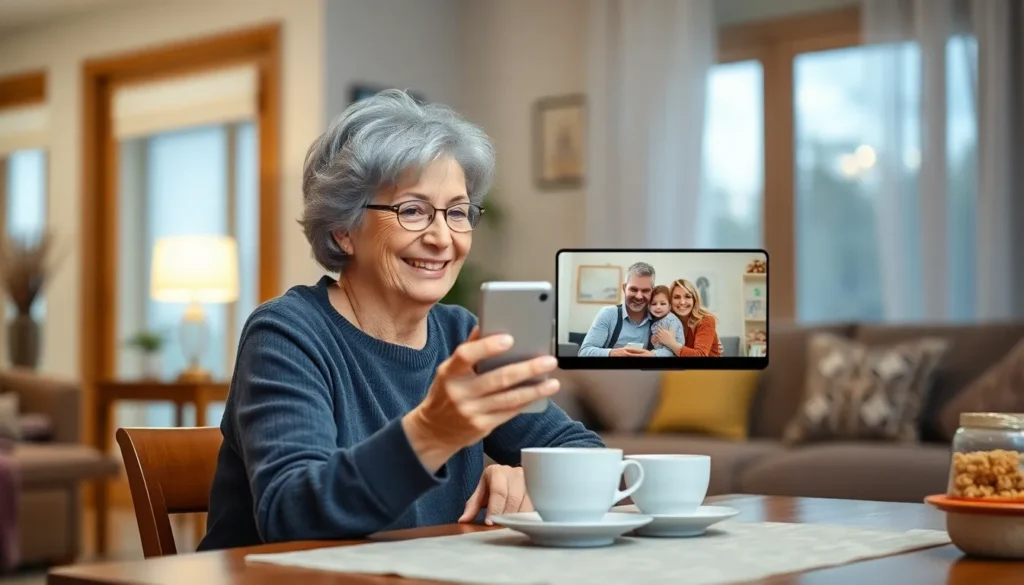
- Communication Apps: Applications such as WhatsApp and Zoom enable seniors to stay connected with family and friends. Features like video calls and messaging simplify interaction, bridging distances.
- Safety and Security Apps: Apps like Life360 provide location sharing and emergency alerts. These resources enhance safety by ensuring family members can monitor seniors’ well-being.
- Entertainment Apps: Senior-friendly apps like Spotify and Kindle offer music streaming and eBook reading. These platforms provide engaging content tailored to personal preferences.
User-Friendly Features
User-friendly features make these apps accessible for seniors. Large buttons, clear text, and customizable settings enhance usability. Additionally, voice commands and simplified navigation provide added convenience.
Engagement and Community Building
Mobile apps foster social engagement among seniors. Platforms like Facebook and Nextdoor allow older adults to participate in community events and connect with peers, reducing feelings of isolation.
Importance of Customization
Customization options improve user experience by catering to individual needs. Seniors can adjust font sizes, color contrasts, and notification preferences to create a personalized environment.
Mobile apps play a crucial role in meeting seniors’ unique needs, significantly enhancing their daily experiences and interactions.
Types of Mobile Apps for Seniors
A variety of mobile apps cater specifically to seniors’ needs, enhancing their daily lives. These apps cover essential areas including health management, communication, and social interaction.
Health and Fitness Apps
Health and fitness apps assist seniors in monitoring their well-being. These apps include medication reminders, allowing users to track prescriptions and dosages. Examples include Medisafe and MyTherapy. Additionally, fitness apps like SilverSneakers provide tailored exercise programs, promoting physical activity at home. Nutrition tracking apps, such as MyFitnessPal, help seniors maintain balanced diets. Overall, these applications empower seniors to take charge of their health.
Communication Apps
Communication apps enable seniors to connect with family and friends easily. Popular options include WhatsApp and FaceTime, offering simple interfaces for video calls and messaging. Both platforms support group chats, enhancing social interactions. These apps also incorporate accessibility features like voice commands, making them user-friendly. Regular communication through these platforms helps reduce feelings of loneliness among seniors, fostering stronger connections with loved ones.
Social Networking Apps
Social networking apps provide seniors with platforms to engage in social activities. Facebook and Nextdoor serve as popular choices, allowing users to join groups and participate in community discussions. These apps encourage interaction, enabling seniors to share experiences and interests. Additionally, platforms like Meetup facilitate finding groups with shared hobbies, enhancing local engagement and reducing isolation. Social networking apps play a significant role in building community among older adults.
Benefits of Using Mobile Apps for Seniors
Mobile apps offer numerous advantages for seniors, significantly improving their quality of life. These benefits include enhanced communication and greater independence, enabling older adults to stay connected and more self-sufficient.
Improved Communication
Mobile apps enhance communication for seniors, allowing them to engage easily with family and friends. Apps like WhatsApp, Zoom, and FaceTime provide straightforward interfaces for video calls and messaging. Users can participate in group chats or one-on-one conversations, fostering meaningful connections. Features like voice messaging and text-to-speech options reduce barriers, allowing seniors to express themselves without technology complications. Increased communication helps combat loneliness and strengthens relationships.
Enhanced Independence
Mobile apps promote independence by simplifying everyday tasks for seniors. Health management applications like Medisafe assist in organizing medication schedules, ensuring timely adherence to prescriptions. Grocery shopping apps enable seniors to order necessities from home, while ride-sharing apps likeUber and Lyft provide convenient transportation solutions. Safety and security apps enhance peace of mind, allowing users to share their location with family members. By enabling seniors to manage multiple aspects of their lives, mobile apps empower them to maintain autonomy and engagement in their communities.
Challenges Faced by Seniors
Seniors encounter several challenges that hinder their ability to fully utilize mobile apps. Understanding these obstacles helps in developing solutions tailored to their needs.
Technology Barriers
Seniors often face technology barriers limiting their engagement with mobile apps. Limited exposure to digital devices results in unfamiliarity with smartphones and tablets. Additionally, rapid technological advancements create a knowledge gap as new features and applications emerge frequently. Security concerns, such as fear of scams or privacy breaches, can further discourage seniors from using mobile apps. Thus, addressing these barriers is essential for improving adoption rates among older adults.
Usability Issues
Usability issues present significant challenges for seniors using mobile apps. Small font sizes and complicated navigation can lead to frustration and disengagement. Many apps lack intuitive designs, making them difficult for seniors to understand. Furthermore, buttons that are too close together complicate interactions, leading to mistakes. Enhanced readability, simplified layouts, and larger touch targets can significantly improve the overall user experience for seniors.
Embracing mobile apps can truly transform the lives of seniors. These tools not only simplify daily tasks but also foster connections with loved ones, enhancing overall well-being. By prioritizing user-friendly designs and accessibility, developers can create experiences that encourage engagement among older adults.
As technology continues to evolve, it’s essential to address the unique challenges seniors face. With the right support and resources, mobile apps can empower this demographic to navigate their digital landscape confidently. Ultimately, the integration of these applications into daily life can lead to greater independence and a richer sense of community for seniors.