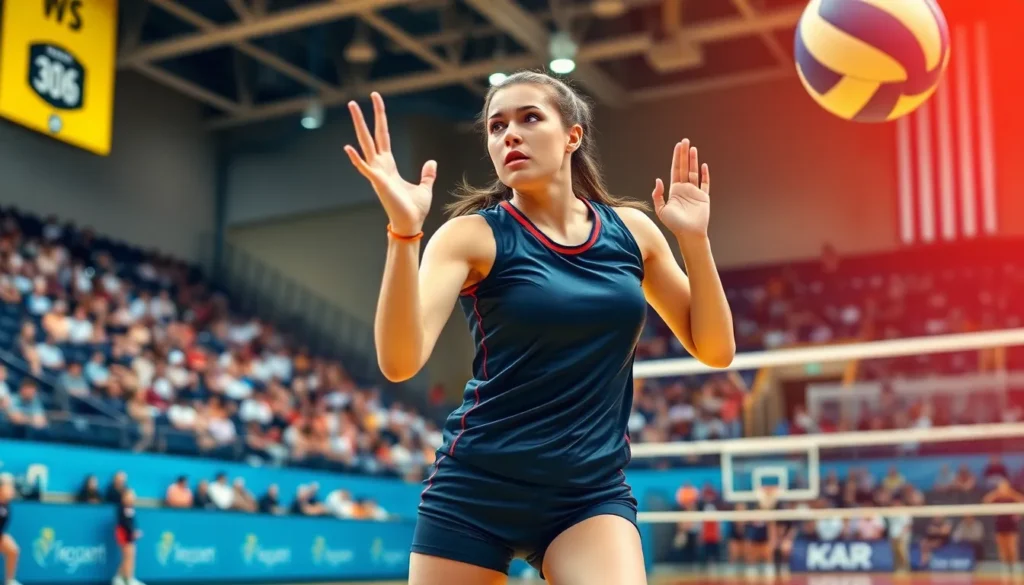
In the fast-paced world of volleyball, where spikes are as common as sweat on brows, there’s an invisible force at play: the mindset. Imagine a player who can float like a butterfly at the net but struggles to push through a tough game. Psychology is their secret weapon. Predatory opponents don’t stand a chance against a winning mentality. Understanding how to harness this mindset can elevate any player’s performance from ordinary to extraordinary, no capes required. Let’s jump into why mindset in volleyball is not just a side note, but rather the main event.
Understanding the Importance of Mindset in Volleyball

Every player knows physical ability matters: but, what separates the good from the great is the mental game.
Mental Toughness in Competitive Play
Mental toughness is crucial in competitive situations. When the pressure mounts and the crowd starts to murmur, a player’s ability to remain calm can either lead to victory or defeat. He or she thrives on toughness that transforms nerves into excitement, pushing them to perform at their peak. It’s not merely about dealing with stress but embracing it and using it as fuel to drive success.
Overcoming Adversity: Resilience in Volleyball
Resilience is another cornerstone of mindset. Every athlete faces adversity, whether it’s an unexpected loss, injury, or a lack of support from the crowd. Developing a resilient mindset means having the capacity to bounce back from setbacks. For example, a player might experience a devastating defeat. Instead of crumbling, they can channel that disappointment into motivation for future matches. It’s about embracing challenges and viewing them as growth opportunities.
Developing a Positive Attitude on the Court
Nobody loves a negative Nancy on the court. Developing a positive attitude is essential for both individual players and team dynamics. An uplifting mindset fosters good vibes, making practices enjoyable and competitions exciting.
Visualization Techniques for Success
Visualization techniques serve as powerful tools. Imagine standing at the net, feeling the humidity mingling with adrenaline. A player can mentally picture themselves executing a perfect serve or a flawless spike time and time again. Research shows that when athletes visualize, these mental rehearsals enhance their physical performance. A few minutes of visualizing success before hitting the court can make a noticeable difference.
Building Confidence and Self-Belief
Confidence isn’t just a buzzword: it’s a game-changer. Building self-belief is fundamental for every volleyball player, from the grassroots to pro levels.
Setting Goals and Achieving Milestones
Setting measurable goals is a practical way to boost confidence. For instance, a player might aim to improve their serve accuracy by a certain percentage over the next month. Tracking progress keeps each achievement fresh in their minds, reinforcing self-belief as they smash milestones.
Creating a Routine to Foster a Winning Mindset
Establishing a routine can help athletes prepare mentally for games. This can be as simple as adopting consistent warm-up stretches accompanied by motivational chants or affirmations. Routines not only minimize anxiety but also pave the pathway for focused performance.
The Role of Team Dynamics in Mindset
A team is only as strong as its bond. Team dynamics significantly shape individual mindsets.
Cultivating Communication and Trust on the Team
Effective communication creates an environment of trust, crucial for any successful sports team. When players feel they can trust one another, they become more willing to take risks on the court. This freedom allows players to express their true selves. From quick back-row hits to daring front-row assists, everyone can contribute, resulting in a unified gameplay style. Building trust is not merely a team-building exercise, but an essential strategy that enhances collective performance.
Learning from Failure: Growth Mindset Principles
Failure isn’t the end, it’s part of the journey. Embracing a growth mindset is vital for volleyball players striving for greatness. When faced with a loss, the best players reflect rather than retreat. They analyze their performance, pinpoint weaknesses, and work tirelessly to improve. This perspective shifts the narrative from ‘I lost’ to ‘I learned.’ It encourages perseverance and fosters a continual commitment to self-improvement.