In a world buzzing with distractions and endless to-do lists, finding a moment of peace can feel like searching for a unicorn in a haystack. Yet, mindfulness practices offer a magical escape, transforming chaotic minds into serene sanctuaries. Imagine sipping your morning coffee and actually tasting it instead of gulping it down like a caffeinated robot.
Mindfulness isn’t just for yogis in flowing robes. It’s for anyone who’s ever felt overwhelmed by life’s demands. By embracing simple techniques like meditation and deep breathing, individuals can reclaim their focus and boost their happiness. So, why not take a break from scrolling through social media and dive into the world of mindfulness? It might just be the refreshing change you didn’t know you needed.
Overview of Mindfulness Practices
Mindfulness practices encompass various techniques aimed at enhancing present-moment awareness. Meditation stands as one of the most recognized forms, allowing individuals to focus on their breath or bodily sensations, facilitating a deeper connection to their thoughts. Deep breathing exercises also play a crucial role, encouraging relaxation and mental clarity through intentional inhalation and exhalation.
Body scans represent another effective technique, promoting awareness of physical sensations throughout the body. Practicing a body scan entails mentally checking in with different areas, helping to identify tension and promote relaxation. Guided imagery often complements these methods, using visualization to foster calmness and reduce stress levels.
Mindful walking offers a different approach by grounding individuals in their environment. Engaging in this practice involves paying attention to each step, the sensations in the feet, and the surrounding sights and sounds. Furthermore, mindful eating emphasizes savoring each bite, encouraging individuals to appreciate flavors and textures while reducing overeating.
Daily life provides numerous opportunities for mindfulness. Simple tasks, such as brushing teeth or washing dishes, can become mindful practices when individuals focus on the sensations and actions involved. The flexibility of mindfulness practices makes them accessible, allowing everyone to incorporate them into their routines and experience enhanced well-being.
Research supports the benefits of mindfulness, with studies revealing reductions in stress, anxiety, and depression. Regular engagement in mindfulness practices leads to improved emotional regulation and overall life satisfaction. Such techniques serve as valuable tools for anyone navigating the distractions of modern life.
Benefits of Mindfulness Practices
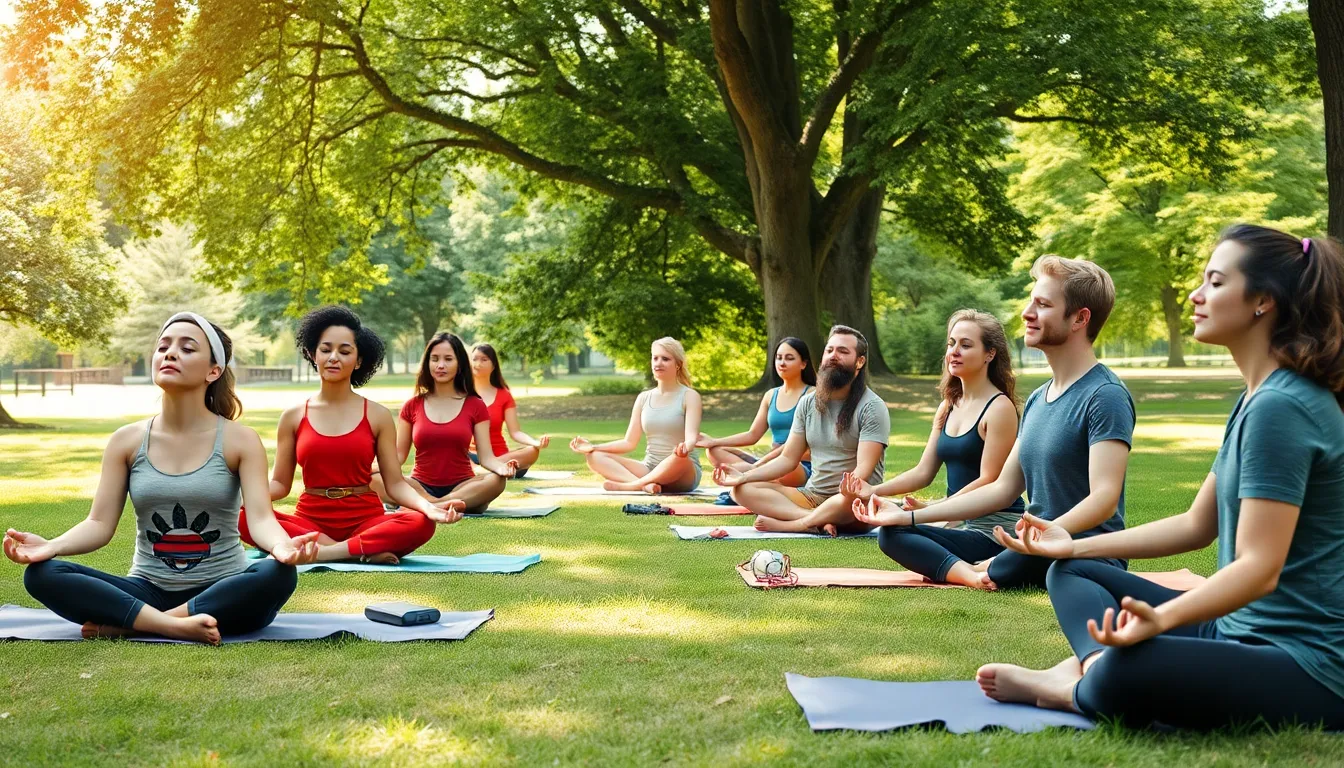
Mindfulness practices provide numerous benefits that influence both mental and physical well-being. Engaging in these activities enhances the quality of life significantly.
Mental Health Benefits
Mindfulness practices lower stress levels effectively. Reductions in anxiety and depression occur through consistent engagement with techniques like meditation. Research indicates that individuals experience greater emotional regulation when incorporating mindfulness into their daily routines. Participants often report increased self-awareness and improved focus, which fosters better decision-making. The ability to manage negative thoughts improves with regular practice, resulting in a more positive outlook on life. Individuals also find enhanced resilience against life’s challenges through mindfulness.
Physical Health Benefits
Physical health benefits align closely with mindfulness practices. Studies show that mindfulness reduces blood pressure, promoting cardiovascular health. Regular mindfulness meditation contributes to improved sleep quality, which boosts overall energy levels. Participants in mindfulness programs often experience fewer physical symptoms of stress, like headaches and muscle tension. Enhanced immune function results from reduced stress hormones. Mindfulness also aids in pain management, allowing individuals to cope better with chronic conditions. Regular engagement leads to healthier lifestyle choices, such as improved eating habits and increased physical activity.
Popular Mindfulness Practices
Mindfulness practices encompass various techniques designed to foster present-moment awareness and enhance overall well-being. Here’s a closer look at popular methods.
Meditation Techniques
Meditation techniques vary widely, yet they all aim to cultivate inner peace. One popular approach includes focused attention, where practitioners concentrate on a single object, thought, or sound. Another method involves loving-kindness meditation, which encourages the development of compassion towards oneself and others. For those seeking guidance, app-based meditations provide structured sessions, helping individuals stay committed. Research confirms that regular meditation practice correlates with reduced symptoms of anxiety and stress, making it a valuable addition to any mindfulness routine.
Breathing Exercises
Breathing exercises serve as a foundational element in mindfulness practices. Simple techniques, such as diaphragmatic breathing, promote relaxation by encouraging deep, abdominal breaths. Counting breaths also helps individuals maintain focus and awareness while alleviating distraction. Techniques like 4-7-8 breathing, where one inhales for 4 counts, holds for 7 counts, then exhales for 8 counts, effectively calms the nervous system. Engaging in these exercises consistently can lead to improved stress management and mental clarity, reinforcing mindfulness’s benefits in daily life.
Body Scanning
Body scanning is an effective technique for enhancing body awareness and relaxation. This practice involves systematically focusing on different body parts, starting from the toes and working up to the head. By directing attention to physical sensations, individuals can identify areas of tension, promoting relaxation. It also encourages acceptance of bodily experiences without judgment. Studies indicate that body scanning aids in reducing stress and increasing self-awareness, making it an essential practice for those exploring mindfulness. Regular use can deepen the connection between the mind and body.
How to Incorporate Mindfulness into Daily Life
Incorporating mindfulness into daily routines can enhance focus and well-being. Various strategies can help individuals seamlessly integrate mindfulness into their lifestyles.
Tips for Beginners
Start with short sessions, such as five minutes of meditation. Engaging with simple techniques like deep breathing can provide immediate benefits. Consider a designated quiet space for practice to promote relaxation. Utilizing mindfulness apps may offer guided support beneficial for new practitioners. Experimenting with different techniques helps identify personal preferences. Listening to calming music or nature sounds during practice can enhance the experience. Remember that consistency is key; practicing regularly reinforces mindfulness benefits.
Creating a Mindfulness Routine
Developing a mindfulness routine fosters commitment and structure. Begin with morning practices, setting aside time for meditation or mindful breathing. Establishing reminders throughout the day can reinforce mindfulness moments, such as during meals or walking breaks. Incorporating brief body scans during lunch helps maintain awareness and relaxation. Prioritize evening rituals, like reflective journaling, to process the day’s experiences. Continuously adapting routines ensures they remain fresh and engaging. Ultimately, mindfulness should become an integral part of daily activities, transforming mundane tasks into opportunities for awareness.
Mindfulness practices offer a powerful way to navigate the chaos of modern life. By integrating techniques like meditation and deep breathing into daily routines, individuals can foster a greater sense of peace and clarity. The flexibility of these practices makes them accessible to anyone, regardless of their background or experience.
Embracing mindfulness not only enhances mental well-being but also promotes physical health. As individuals commit to regular mindfulness engagement, they often experience significant improvements in their overall quality of life. With consistent practice, the journey toward mindfulness can transform everyday moments into opportunities for connection and self-discovery.