In today’s fast-paced world, wellness challenges have become a popular way to promote healthier lifestyles and foster community engagement. These challenges often encourage individuals to step out of their comfort zones and embrace new habits, whether it’s through fitness, nutrition, or mindfulness practices. With the rise of social media, sharing progress and motivating others has never been easier, making wellness challenges a fun and interactive way to pursue personal growth.
Participants often find that these challenges not only improve their physical well-being but also enhance mental resilience. By setting achievable goals and tracking their progress, individuals can experience a sense of accomplishment and connection with like-minded peers. As more people seek balance in their lives, wellness challenges offer a refreshing approach to self-improvement, making it easier than ever to prioritize health and happiness.
Understanding Wellness Challenges
Wellness challenges aim to foster healthier lifestyles through structured activities and goal setting. Participants engage in various initiatives, emphasizing fitness, nutrition, and mindfulness practices. These challenges often vary in duration, from a few days to several weeks, allowing flexibility for individuals.
Participants set specific goals that are measurable and realistic, enhancing motivation. For example, a common fitness challenge entails completing 10,000 steps daily. Such attainable targets promote accountability and generate a sense of achievement.
Community engagement stands central to wellness challenges. Social media platforms enable participants to share progress and encourage peers. Participants often form support groups, boosting motivation and fostering camaraderie among individuals pursuing similar objectives.
Research indicates significant benefits tied to wellness challenges. According to a study by the American Psychological Association, individuals involved in group challenges report increased physical health and improved mental wellness. Regular participation in these activities correlates with reduced stress levels and enhanced self-esteem.
Moreover, various organizations implement wellness challenges to nurture employee health. Companies may offer incentives for participation, integrating wellness into workplace culture. This comprehensive approach promotes not just individual growth but collective well-being.
Awareness of wellness challenges continues to grow, reflecting societal shifts towards health-conscious behaviors. With focused efforts on fitness, nutrition, and mindfulness, participants contribute to a resilient, thriving community dedicated to holistic health.
Common Types of Wellness Challenges
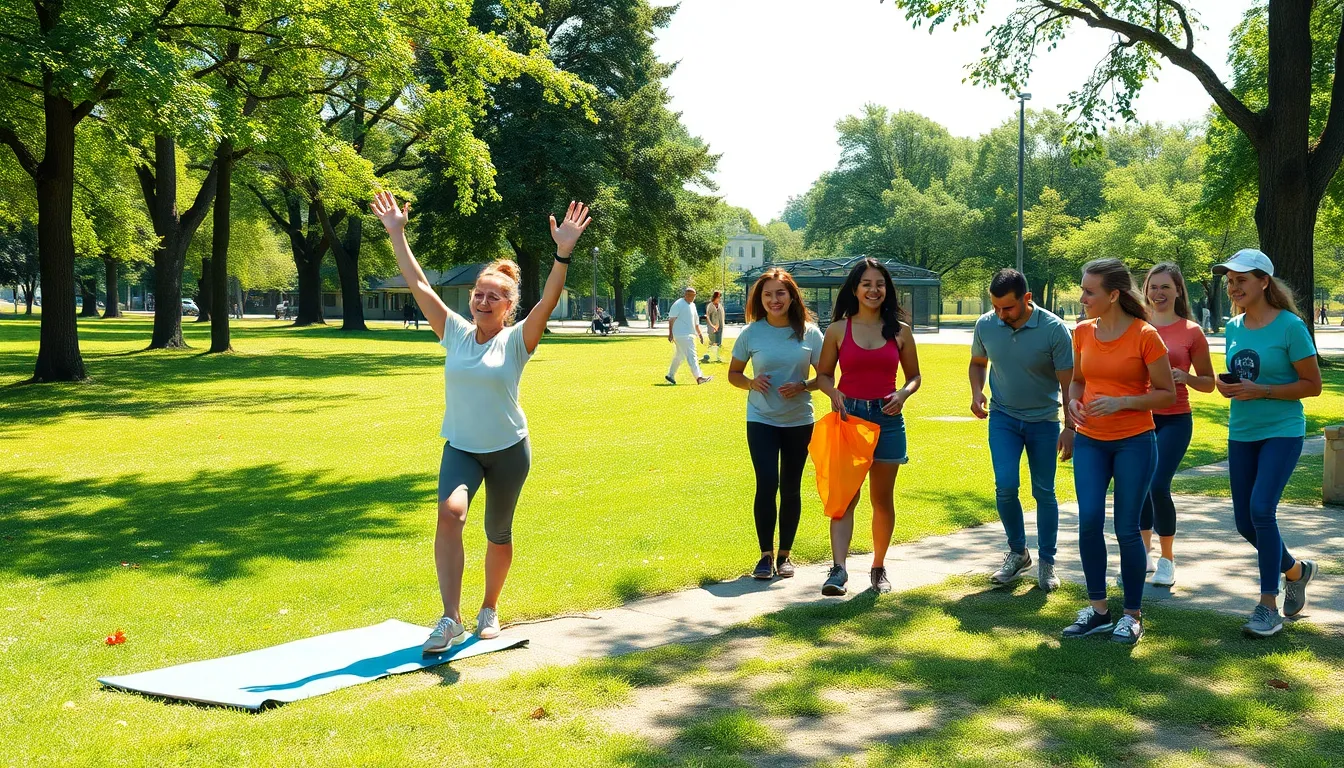
Wellness challenges come in various forms, each targeting distinct aspects of health. Below are three common types: physical, mental, and social wellness challenges.
Physical Wellness Challenges
Physical wellness challenges focus on enhancing fitness and overall health. Participants often engage in activities such as:
- Step Challenges: Aiming to achieve a specific daily step count, typically 10,000 steps.
- Fitness Programs: Completing specific workouts, such as 30 days of yoga or strength training sessions.
- Nutrition Goals: Adopting healthy eating habits, like consuming more fruits and vegetables or reducing sugar intake.
These challenges promote accountability and measurable progress, motivating participants to establish and maintain healthier routines.
Mental Wellness Challenges
Mental wellness challenges emphasize emotional and psychological well-being. Key components include:
- Mindfulness Practices: Committing to daily meditation or gratitude journaling.
- Stress Management: Engaging in practices like deep breathing exercises or guided imagery.
- Self-Reflection Tasks: Setting aside time for self-care and self-assessment activities.
These challenges encourage participants to cultivate positive mental habits, reduce anxiety, and enhance life satisfaction.
Social Wellness Challenges
Social wellness challenges aim to improve interpersonal connections and community engagement. Common activities involve:
- Social Media Campaigns: Sharing wellness progress and inspiring others through platforms like Instagram or Facebook.
- Group Fitness Events: Joining team sports, fitness classes, or charity walks.
- Community Service Initiatives: Volunteering for local organizations or participating in neighborhood clean-ups.
These challenges forge connections among participants, fostering a sense of belonging and support that boosts overall wellness.
The Impact of Wellness Challenges
Wellness challenges significantly influence personal and professional lives. Participating in these challenges fosters holistic growth, enhancing overall well-being.
On Personal Well-being
Wellness challenges enhance personal well-being by promoting healthy habits. Improving physical health often occurs through structured fitness routines, such as daily step goals or dietary adjustments. Participants report higher energy levels and improved cardiovascular health. Mental wellness also receives a boost, as these challenges encourage mindfulness practices like meditation and journaling. Enhanced self-esteem and reduced anxiety frequently follow, as individuals achieve set goals and engage with supportive communities. Research highlights that consistent participation correlates with lower stress levels, ultimately leading to a more balanced and fulfilling lifestyle.
On Professional Life
Wellness challenges impact professional life by nurturing a healthier workplace environment. Organizations implementing these challenges report increased employee engagement and productivity. When employees participate in collective activities, team cohesion often improves, fostering collaboration and camaraderie. As teams work toward shared goals, they experience a sense of accountability and motivation. Furthermore, wellness initiatives demonstrate a commitment to employee health, leading to reduced absenteeism and improved morale. Studies indicate a direct link between wellness participation and job satisfaction, resulting in a more positive workplace culture.
Strategies to Overcome Wellness Challenges
Implementing effective strategies can help individuals successfully navigate wellness challenges. Key approaches include setting realistic goals, building a support system, and incorporating mindfulness practices.
Setting Realistic Goals
Setting realistic goals ensures participants remain engaged with wellness challenges. Specific, measurable, attainable, relevant, and time-bound (SMART) objectives enhance goal clarity. Examples include starting with a daily step count of 5,000 steps before progressing to 10,000. Incremental adjustments promote sustained motivation and prevent burnout. Additionally, tracking progress through apps or journals fosters accountability and facilitates adjustments when necessary.
Building a Support System
Building a support system amplifies the benefits of wellness challenges. Engaging friends, family, or coworkers creates a sense of community and shared purpose. Participants can leverage social media platforms to connect with like-minded individuals, share experiences, and celebrate achievements. Regular check-ins or group activities, such as workout sessions or cooking classes, also enhance motivation and commitment. Group dynamics foster accountability, making it easier to overcome challenges together.
Incorporating Mindfulness Practices
Incorporating mindfulness practices contributes to overall wellness by enhancing emotional resilience. Techniques like meditation, deep breathing, and yoga promote relaxation and stress reduction. Allocating time for mindfulness activities daily, even if only for a few minutes, improves focus and self-awareness. Resources, including apps or online videos, provide guidance and structure for mindfulness exercises, making them accessible for participants at any skill level. Consistent practice can lead to long-term mental wellness benefits, supporting the pursuit of overall health goals.
Wellness challenges represent a dynamic way to inspire healthier living and foster community bonds. By encouraging individuals to set and achieve specific goals, these challenges not only boost physical health but also enhance mental well-being. The social aspect of sharing progress and supporting one another creates a powerful environment for growth.
As more people engage in these initiatives, the ripple effects can lead to improved workplace culture and stronger interpersonal connections. Embracing wellness challenges can transform lives, promoting a holistic approach to health that resonates beyond personal achievements. It’s clear that prioritizing wellness through structured challenges can lead to lasting positive change in individuals and communities alike.